Review text to come.
— Golfer review
USGA Conforming Radius Face
The future of putting is here, and it isn't flat.
As Seen On

USGA Conforming
Backed by a 30-Day Money-Back Satisfaction Guarantee.
You can make a decent putting stroke and still miss your intended line. Why? Because the direction your putter face points at impact plays a major role in where the ball starts.
A face that is slightly open or closed can send the ball off line before it ever reaches the hole. The challenge is simple: consistently presenting a perfectly oriented face at impact is difficult.
When the face is square to the target, the ball starts along the intended line.
A slightly open face can send the ball away from the intended line.
A slightly closed face can send the ball off line in the opposite direction.
The surface has the same overall orientation across the face.
The local surface orientation changes from one point to another.
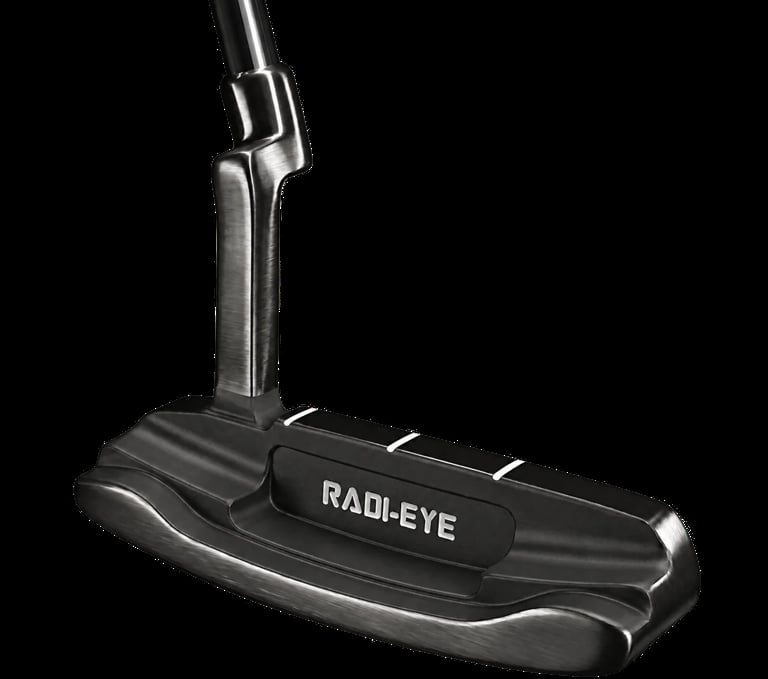
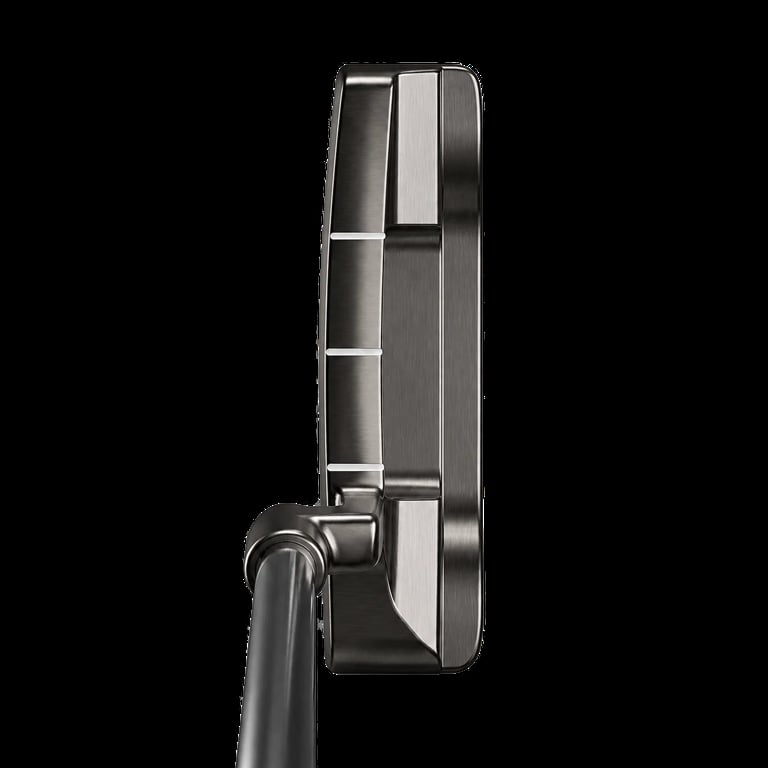
Traditional putters use a flat striking face. Radi-Eye uses a curved, radius-shaped face. Radi-Eye is designed around that difference.
The goal is to make the ball's starting direction less sensitive to certain face-angle errors at impact.
The idea is simple: make face-angle errors matter less.
A flat face has one overall orientation. When that orientation changes, the ball's initial direction can change, too.
A curved face has different local orientations across its surface. Radi-Eye uses this geometry in an effort to reduce the directional effect of face-angle errors.
Instead of relying entirely on presenting one flat surface at precisely the right angle, Radi-Eye introduces a different geometry at the moment of impact.
The intended benefit is greater forgiveness of face-angle errors when starting a putt.
Drivers use curved faces, known as bulge and roll, to influence how off-center impacts behave.
Radi-Eye brings the broader curved-face concept to putting, where the goal is to influence the ball's starting direction at the moment of contact.
The difference is that a driver sends the ball into flight, while a putter sends it rolling along the green. Radi-Eye is built around the idea that face geometry can matter at the instant a putt begins.
A familiar engineering concept. Applied to a different part of the game.
Radi-Eye focuses on one particular challenge in putting: the effect of face-angle errors on the ball's starting line. The historical evidence reported for the product includes an independent test, media coverage, and a professional analyst's testimonial.
According to the reported results of an independent test conducted at an Edwin Watts facility in 2010, Radi-Eye measured 40% more accurate from 10 feet than the other USGA-conforming putters included in the comparison.
Radi-Eye was featured in ESPN's 2012 holiday gift guide and received coverage in USA Today.
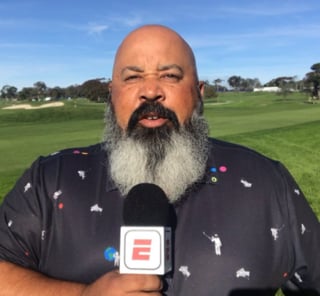
“I don't know how it's possible either, but I've seen it in person and it works.”
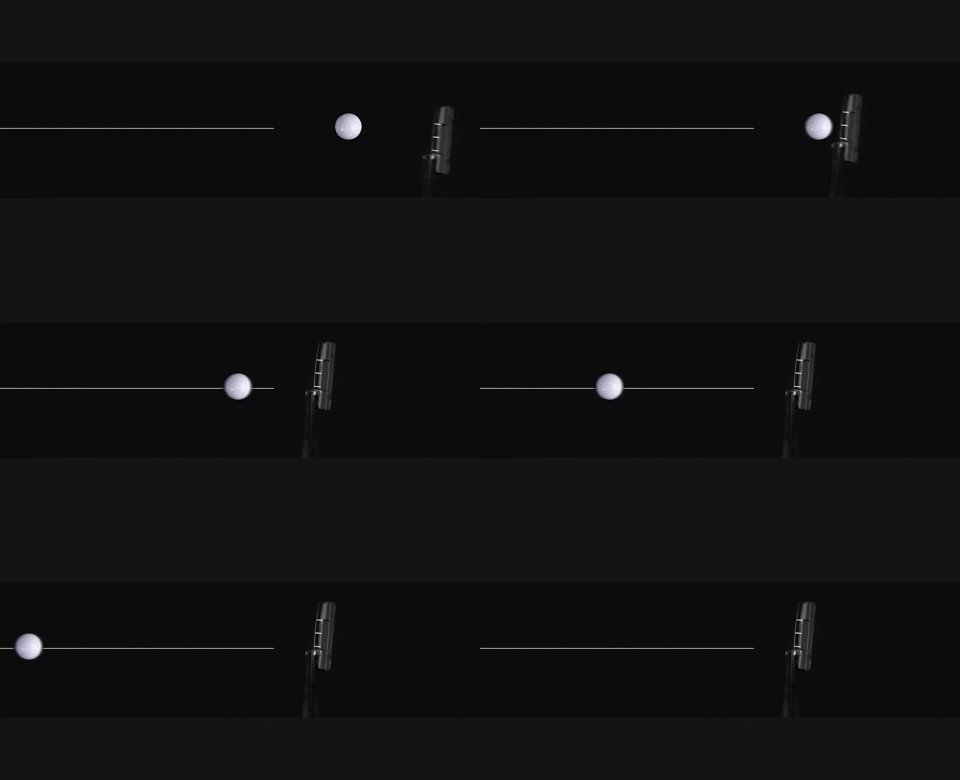
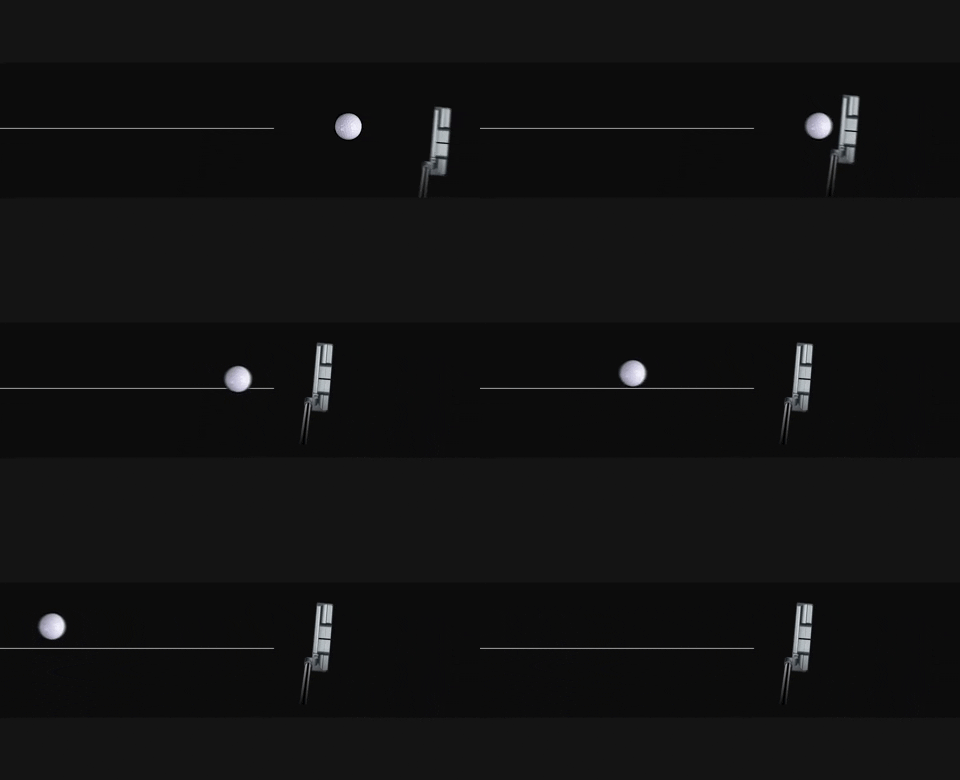
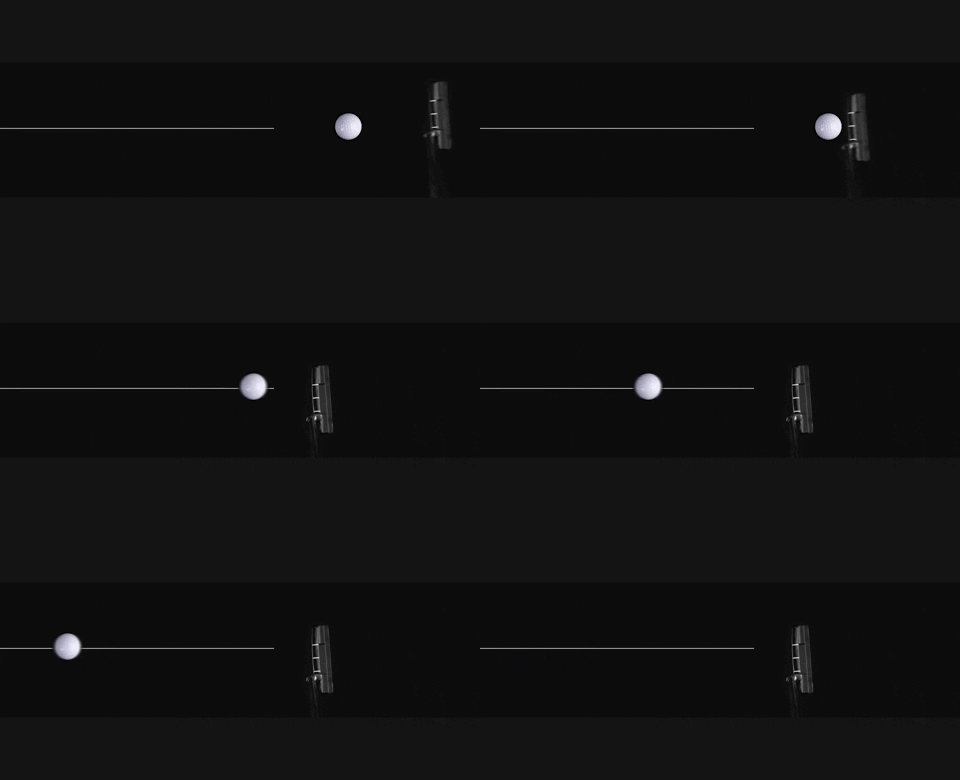
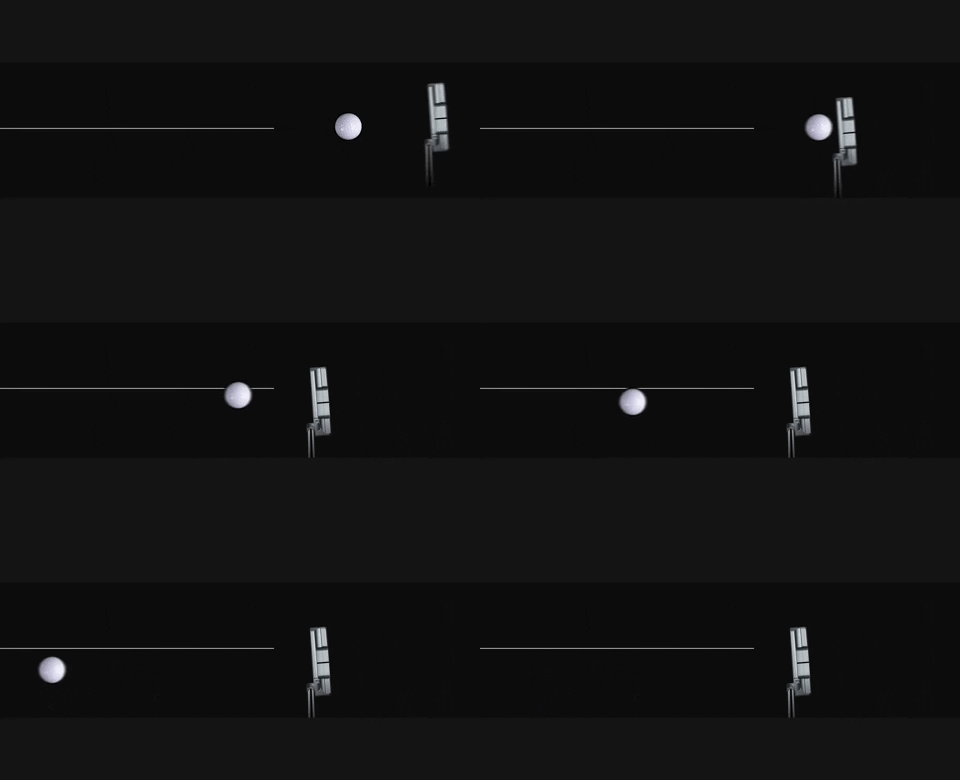
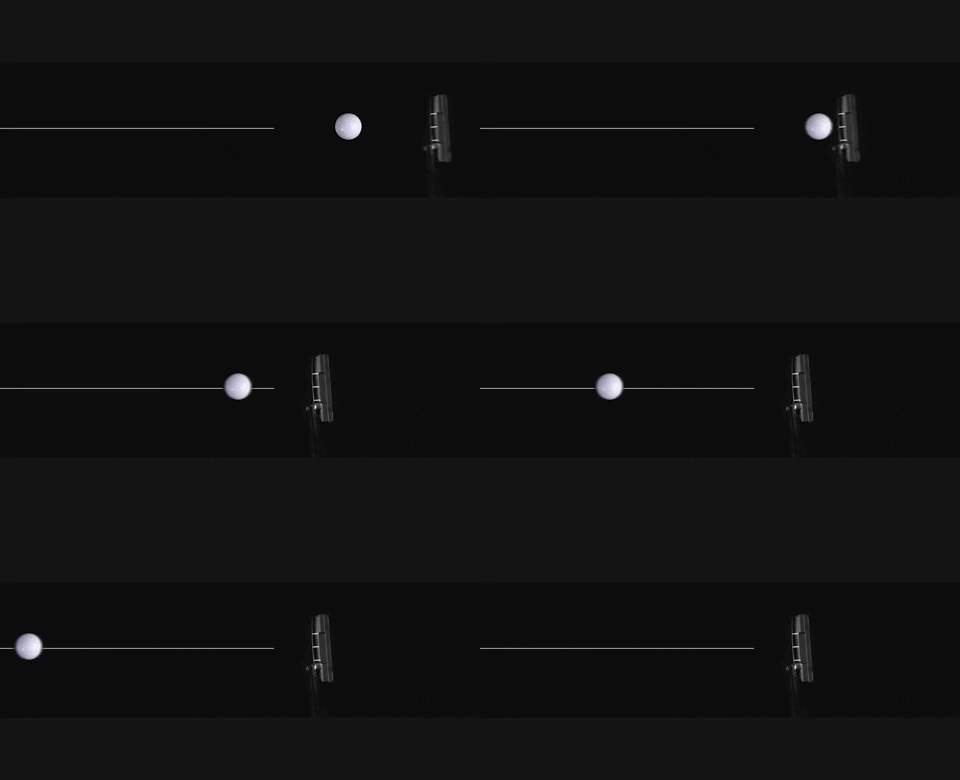
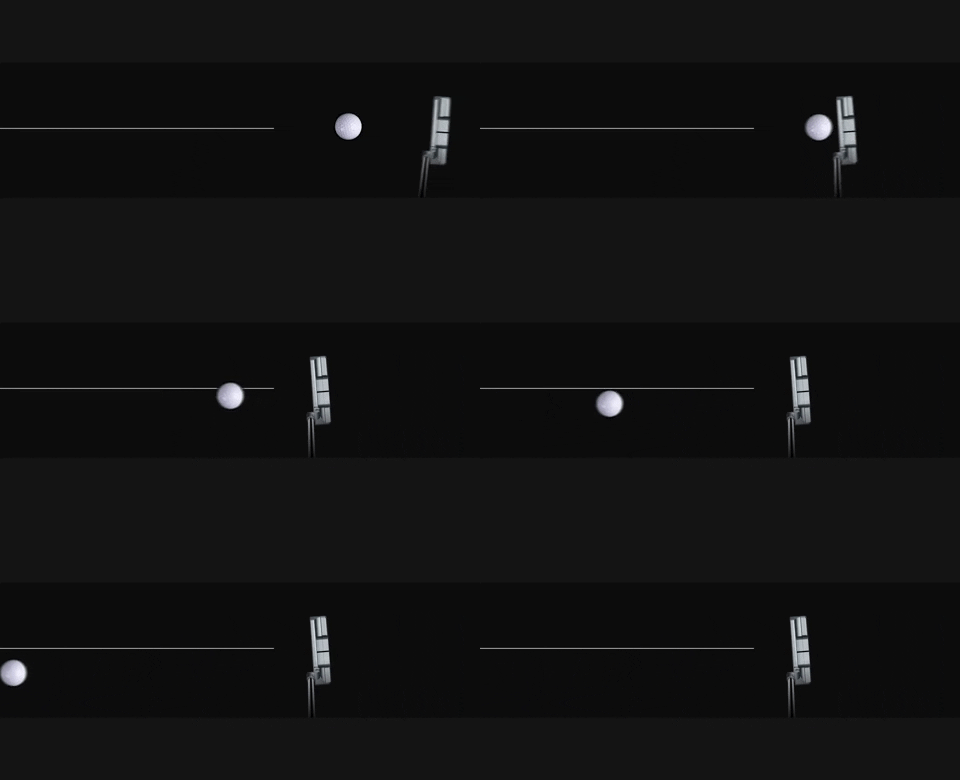


*Simulated demonstrations. Backed by a 30-Day Money-Back Satisfaction Guarantee.
Review text to come.
— Golfer review
Review text to come.
— Golfer review
Review text to come.
— Golfer review
In 2008, Eric Shuford lost his construction company in the housing crash. Sitting at home watching golf, he had a dream one night. He was standing on a putting green, and when he looked down, the face of the putter was rounded.
The next morning he went into his garage, machined a rounded face out of aluminum, and superglued it to a regular putter.
That holiday, he showed it to the family on a putting machine he had built. Everybody said that's cool, and everybody brushed it off.
Then he superglued that same prototype face onto his nephew's putter. His nephew Alec was a once in a while golfer who three and four putted his way around every green. That day, over 18 holes, he two putted every hole but one. The one was a 50 foot eagle putt he drained in one. No lessons. No practice. He changed nothing but the face on his putter.
Alec had just finished film school. His fiancee Dawn was a graphic designer. They partnered with Eric on the spot, had a professional milled model made right here in North Carolina, and started sending slow motion putting machine videos to anyone in golf who would watch. Push putt. Pull putt. The ball auto corrected and went in.
USA Today featured it in What's Hot in Golf. At the BMW Championship, Greg Kinnear tried it on the practice green, instantly started making putts, and traded his own putter for it on the spot. The next day, Golf Channel was showing highlights of Kinnear draining a 30 footer and asking where that came from.
Twice, it got all the way to the tour. Hall of Famer Larry Nelson wanted to buy half the company, then backed out the week he was set to debut it because a buddy thought it looked weird. William McGirt sank his first putt with it from 50 feet and planned to put it in play at the Houston Open, then called it off. His reason is the whole point of this putter. His coach could not coach it, he said, because it allows him to make a mistake.
A Manhattan marketing company shot testimonials across the country for a national campaign, then pushed the project, and it never happened. The president of a major golf brand called to say his company had tried this exact technology in the eighties and nineties and never got the radius right, and that these guys had nailed it. Nothing ever came of that either.
So they sold it the only way that always worked. They took it to clubs and practice greens and ran the Radi-Eye Challenge. Putt with yours. Now putt with ours. People saw the difference in three putts and bought it on the spot.
Then life got in the way, and the putter sat on the back burner for 13 years.
It never stopped working. It just waited. Now it is back, machined from 318 stainless steel, USGA conforming, assembled in Concord, North Carolina, and sold the same way it was always sold. Take the Challenge, and see for yourself.
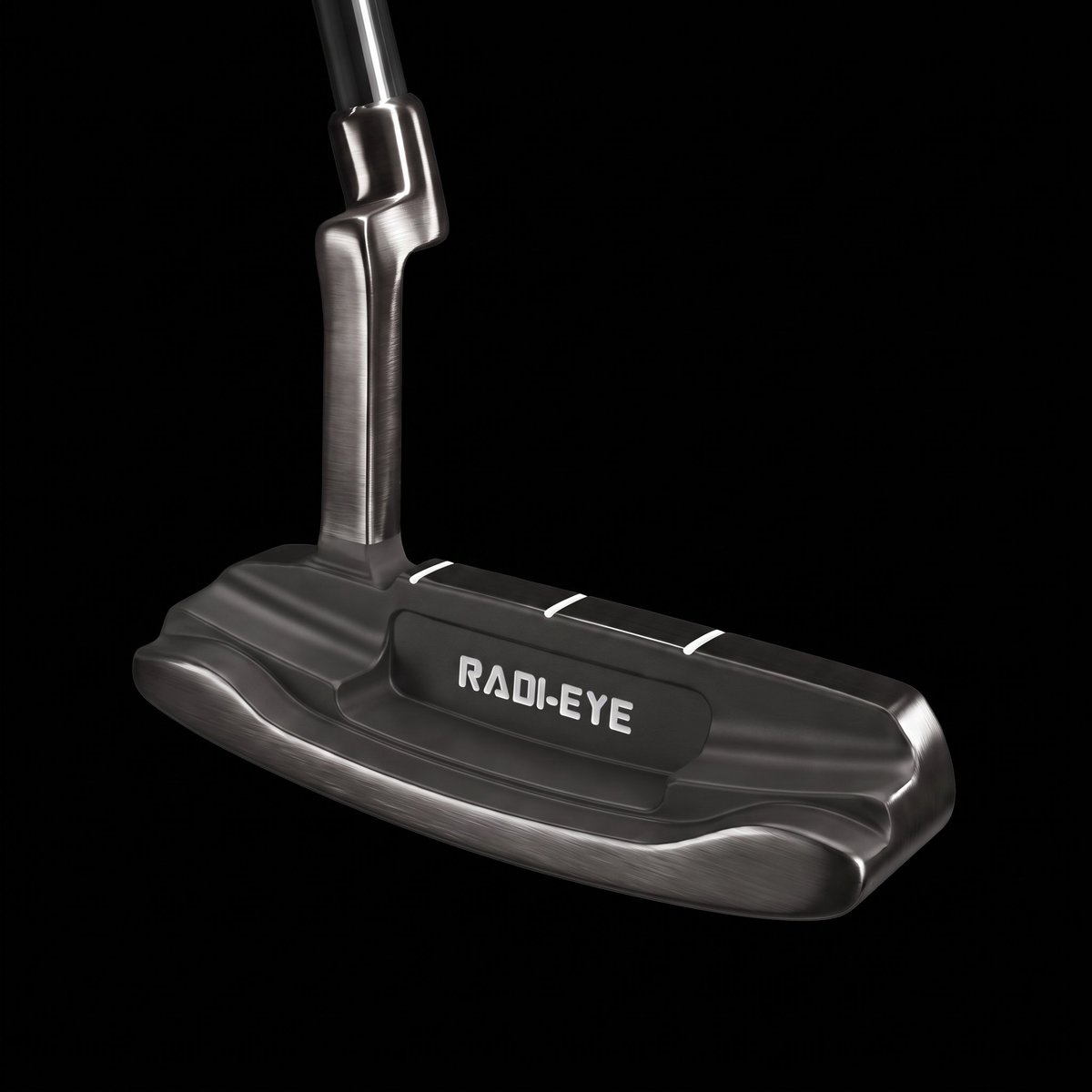
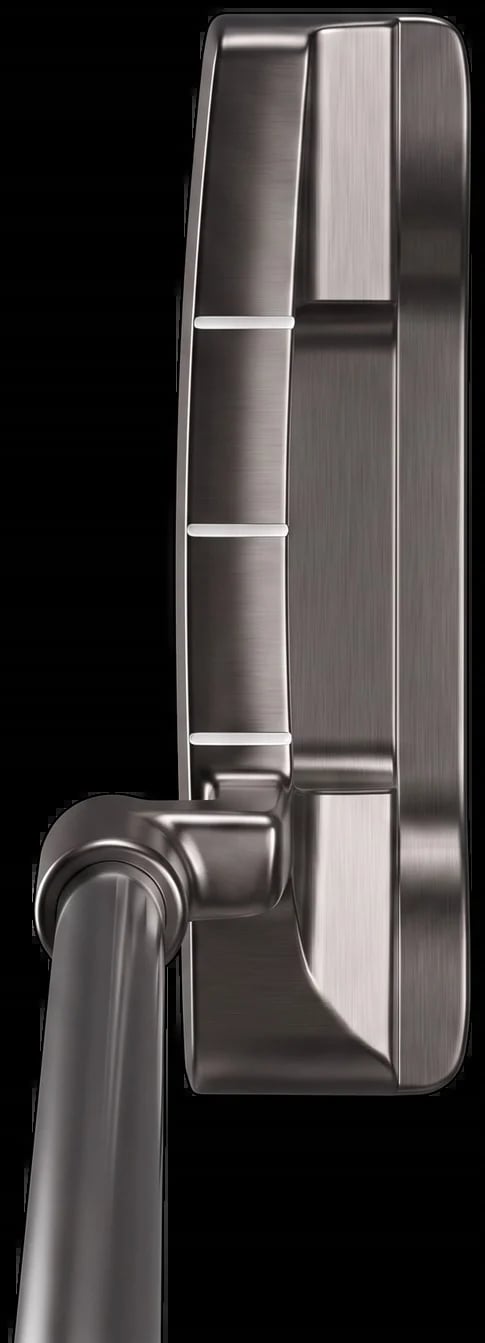
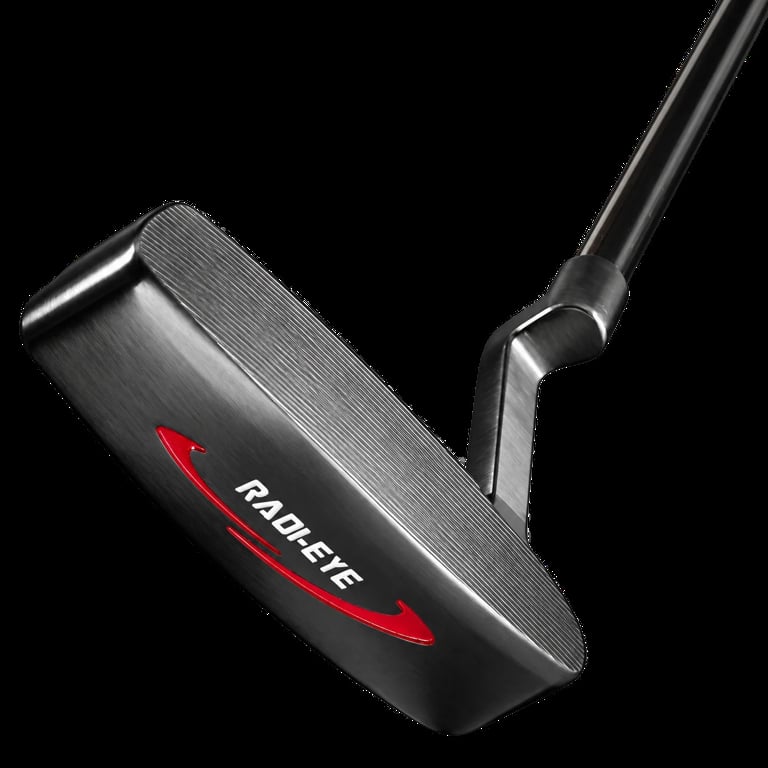
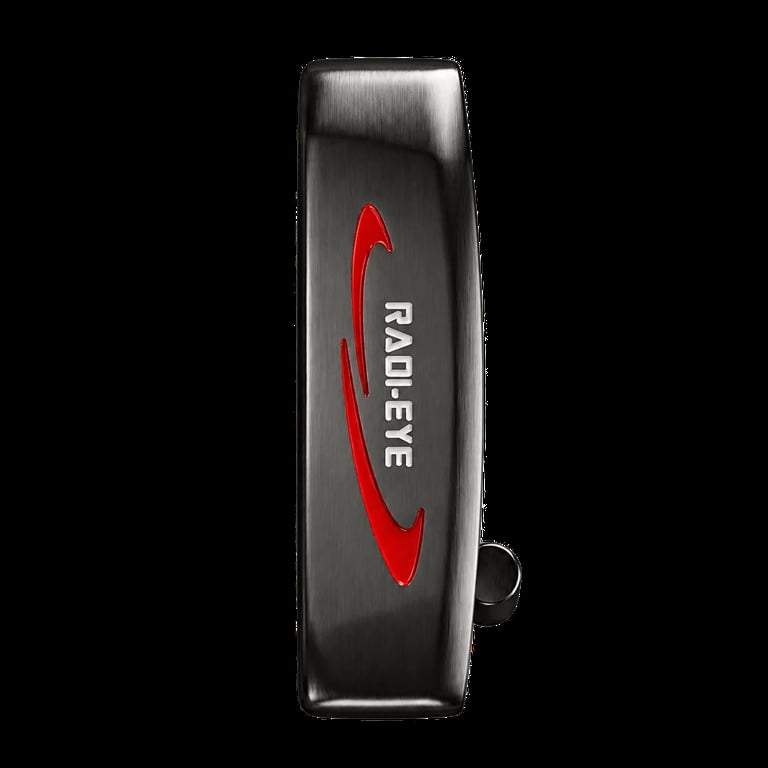
Radi-Eye combines a traditional blade profile with a curved, precision-milled striking face. The design changes one central element of the putter: the geometry of the face. The result is a distinctive piece of golf equipment built around a specific approach to starting-line forgiveness.
Radi-Eye uses zero degrees of loft as part of its design approach to promoting forward roll. Actual launch and roll behavior also depend on impact conditions and the putting surface.
A premium blade putter built around a different approach to face geometry. Designed for golfers who want to make face-angle errors matter less and rethink how a putter meets the ball.
Explore the curved-face blade putter and discover a different approach to starting-line forgiveness.
The Radi-Eye has a curved striking face instead of a flat one. Its geometry is designed to reduce the effect of certain face-angle errors on the ball's starting direction.
No putter can guarantee a made putt or eliminate every putting error. Aim, stroke path, speed control, green reading, and impact conditions still matter. Radi-Eye focuses on the potential effect of face-angle errors.
The design addresses one aspect of putting rather than every part of performance. Your results will depend on your stroke, setup, preferences, and how the putter performs for you.
The model is reported as USGA conforming. Golfers who compete should verify the exact model's current status in the official USGA equipment database.
The reported evidence includes a 2010 test at an Edwin Watts facility. The original test methodology and results should be reviewed to understand what was measured and how the comparison was conducted.
Zero degrees of loft is part of the product's design approach to promoting forward roll. Actual ball launch and roll depend on impact conditions and the green.
Radi-Eye is a premium putter built around a distinctive curved-face design, with a milled face and specified stainless steel construction. Whether it offers value for an individual golfer depends on their preferences and the performance they experience.
Discover the curved-face blade putter designed to make face-angle errors matter less.
Explore the Radi-Eye — $449.99
A different approach to putting.
© Radi-Eye. All rights reserved.